
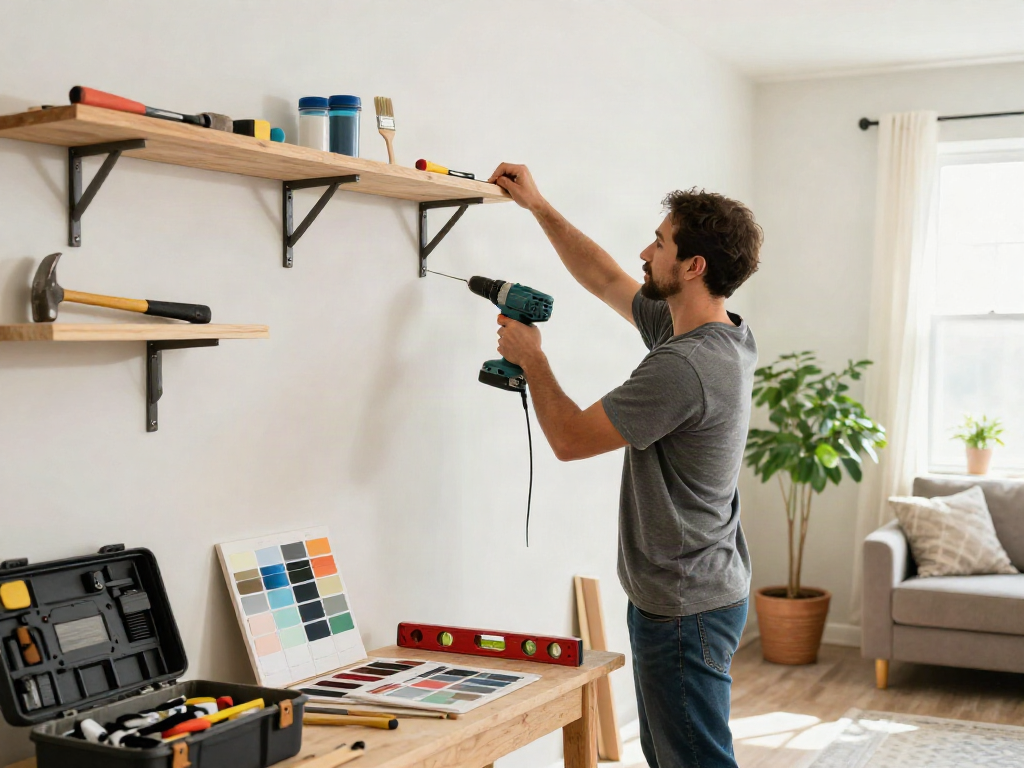
Understanding Home Repair Services in Des Moines Iowa
Home repair services are essential for maintaining the integrity and comfort of your residence. In Des Moines, Iowa, a city known for its distinct four seasons, homeowners often encounter various repair needs throughout the year. Understanding the landscape of home repairs—what they entail, the professionals who provide them, and the unique benefits of hiring local contractors—can significantly enhance your home ownership experience. Whether it’s fixing a leaky roof or addressing electrical issues, knowing where to turn can save time, money, and stress. When exploring options, home repair services Des Moines Iowa provides comprehensive insights into maximizing the functionality of your home.
What Are Home Repair Services?
Home repair services encompass a broad array of tasks aimed at restoring, maintaining, or improving different aspects of a home. These services can range from simple repairs, such as patching drywall or fixing leaky faucets, to more complex jobs like electrical installations or plumbing renovations. The primary goal is to ensure that all systems within the home function properly and efficiently, which can lead to increased property value and enhanced quality of life for residents.
Benefits of Hiring Local Contractors
Choosing local contractors for home repair services comes with numerous advantages. One of the most significant benefits is the local knowledge they possess about common issues in the area, local building codes, and the materials that perform best in Iowa’s climate. Local contractors are often more accessible for follow-up services and can provide quicker response times for urgent repairs. Additionally, supporting local businesses fosters community ties and contributes to the local economy.
Common Home Repairs in Iowa Homes
In Des Moines, homeowners frequently face specific home repair challenges due to the state’s unique weather conditions. Common repairs include:
- Roof Repairs: Weather-related damage is prevalent, particularly after harsh winters.
- Basement Waterproofing: With fluctuating soil moisture, basement leaks are a common issue.
- HVAC Repairs: Efficient heating and cooling systems are crucial for comfort during extreme temperatures.
- Window and Door Repair: To maintain energy efficiency and security, proper installation and maintenance are essential.
Choosing the Right Home Repair Service
Selecting the appropriate home repair service is critical to ensuring that your repairs are handled effectively and efficiently. With the plethora of options available, understanding how to assess your needs and evaluate potential contractors is key.
Assessing Your Repair Needs
The first step in the selection process is to accurately assess your repair needs. Conducting a thorough inspection of your home can help identify issues that need immediate attention versus those that can be monitored over time. Create a prioritized list of repairs, detailing the urgency and nature of each task to guide your conversations with contractors.
Evaluating Contractor Qualifications
Once you have your list, the next step is to evaluate potential contractors. Check for necessary licenses, insurance, and customer reviews. A reputable contractor should provide references and examples of previous work. Consider setting up interviews to gauge their experience and approach to your specific repair needs.
Getting Accurate Estimates and Quotes
Obtaining estimates from multiple contractors is essential in ensuring that you receive a fair price. Be clear about your requirements and ask for detailed quotes that outline the scope of work, materials, and labor costs. This will help you make informed comparisons while ensuring that you don’t overlook any essential elements of the repairs.
DIY vs. Professional Repairs
As a homeowner, you may find yourself contemplating whether to tackle repairs yourself or hire a professional. Both options have their merits, but understanding when to choose one over the other can save time and money.
When to Attempt DIY Repairs
DIY repairs may be suitable for minor tasks that require basic skills and tools. Examples include:
- Painting rooms or furnishings
- Replacing light fixtures
- Sealing windows and doors
- Landscaping
Before deciding to go the DIY route, consider your experience level, the potential risks involved, and whether you have the necessary tools at your disposal.
Advantages of Professional Services
While DIY projects can be rewarding, there are significant advantages to hiring professionals. Licensed contractors bring a wealth of experience, ensuring that repairs are not only completed correctly but also comply with local building codes. Moreover, professionals often provide warranties for their work, offering peace of mind that DIY efforts simply cannot match.
Understanding the Cost-Benefit Analysis
When weighing the options of DIY versus professional repairs, it’s crucial to conduct a cost-benefit analysis. Factor in not only the immediate costs but also potential long-term implications. Poorly executed repairs can lead to more severe issues down the line, which may end up costing significantly more in repairs than if a professional had been hired from the outset.
Innovative Solutions in Home Repair Services
The home repair industry is constantly evolving, introducing innovative solutions that enhance efficiency and sustainability in repairs. Understanding these trends helps homeowners make informed decisions.
Latest Trends in Home Renovation
Today’s homeowners are drawn to trends that emphasize functionality and aesthetics. Open floor plans, energy-efficient appliances, and smart home technology integrations are just a few of the innovations changing the landscape of home repairs and renovations. Modern renovations often focus on creating multifunctional spaces that adapt to the needs of families.
Eco-Friendly Repair Techniques
An increasing number of homeowners are prioritizing sustainability in their renovation choices. Eco-friendly repair techniques include:
- Using reclaimed or sustainably sourced materials
- Implementing energy-efficient insulation methods
- Utilizing low-VOC paints and finishes
These practices not only benefit the environment but can also lead to cost savings on utility bills over time.
Technological Advancements in Home Repairs
From apps that help visualize renovations to advanced tools that increase the precision of repairs, technology has broadened the scope of what’s possible in home repair services. Technologies such as 3D printing and augmented reality can help homeowners better visualize their projects and enhance collaboration with contractors.
Future of Home Repair Services in 2026 and Beyond
Looking ahead, the home repair industry is poised for significant changes as new trends emerge and technology continues to advance. Homeowners must stay informed and adaptable to these changes.
Skills Emerging in the Home Repair Industry
As technology infiltrates the home repair space, new skills will be required. Skills relating to smart home technology installations, energy auditing, and sustainable practices will become increasingly valuable. Homeowners looking to hire services in the future should consider the skill sets of contractors when assessing their qualifications.
Predictions for Home Repair Services
Experts predict that the next few years will see a significant shift towards smart home installations and energy efficiency solutions. The rise of remote work may also lead to an increase in home office renovations and outdoor living space enhancements as families adapt to more time spent at home.
How to Stay Informed on Trends
To keep abreast of changes in home repair services, homeowners should subscribe to industry publications, follow local businesses on social media, and engage with community groups focused on home improvement. These resources provide valuable insights into upcoming trends and new repair techniques.
What Should You Ask Your Contractor?
When engaging with potential contractors, it’s vital to ask the right questions to ensure you’re hiring the best fit for your needs. Key inquiries include:
- What is your experience with similar projects?
- Can you provide references from previous clients?
- What warranties do you offer on your work?
These questions can help clarify expectations and provide insight into the contractor’s reliability and expertise.
How Can You Minimize Home Repair Costs?
Cost management is a common concern for homeowners. To minimize repair costs, consider the following strategies:
- Schedule regular maintenance to prevent larger issues.
- Compare estimates from multiple contractors.
- Consider financing options for significant repairs.
By being proactive and strategic, homeowners can effectively manage their repair budgets.
What Are Common Mistakes Homeowners Make?
Homeowners often make several typical mistakes when it comes to repairs, such as:
- Attempting repairs beyond their skill level, leading to increased costs.
- Neglecting regular maintenance, resulting in more severe issues.
- Failing to research contractors thoroughly, which can lead to poor workmanship.
Acknowledging these pitfalls can help homeowners approach repairs more effectively and sustainably.