
Understanding Sports Broadcasting
Defining Sports Broadcasting
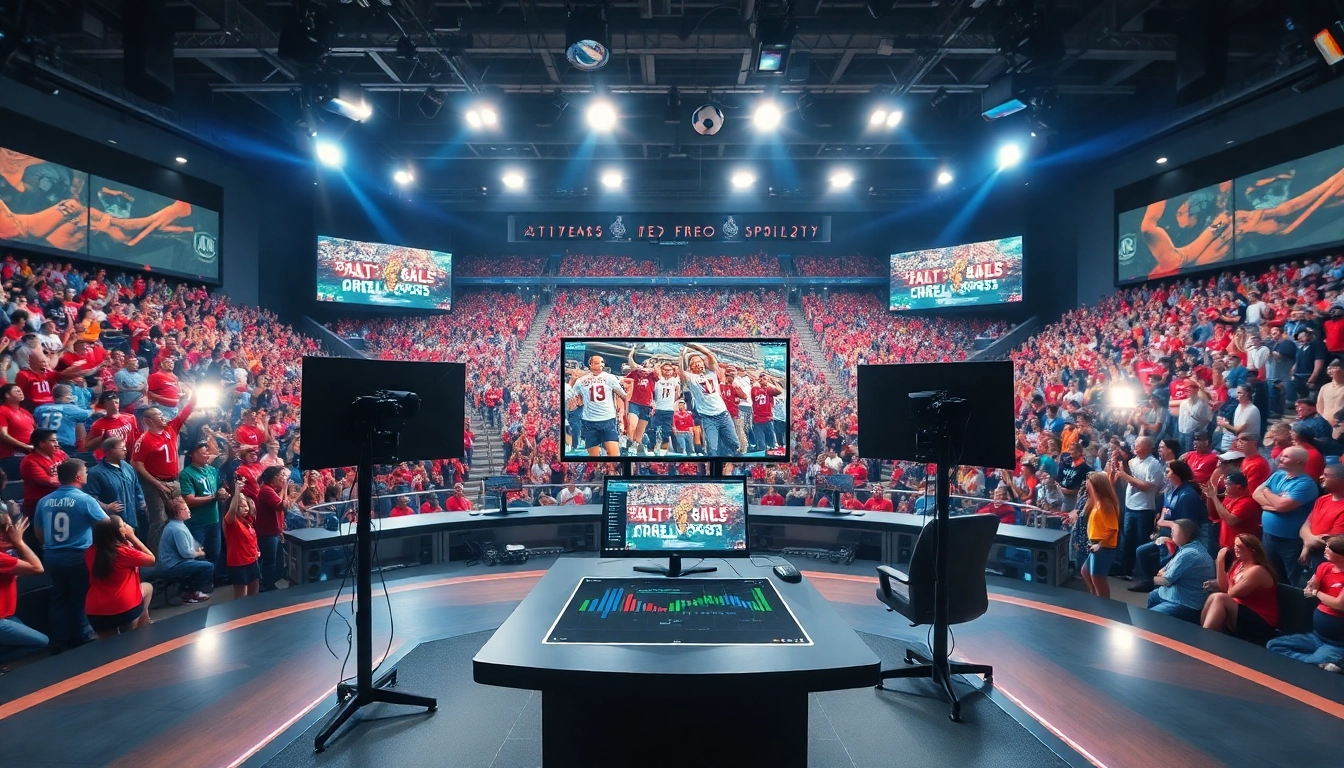
Sports Broadcasting refers to the transmission of sports events on television, radio, and digital platforms, allowing viewers to experience live action, commentary, and analysis from the comfort of their homes. It encompasses everything from play-by-play commentary to pre-game and post-game shows that delve into insights, highlighting key moments, statistics, and player performances. This multifaceted industry not only serves to entertain but also acts as a bridge connecting fans to their favorite sports and teams. The success of Sports Broadcasting hinges on delivering engaging content that resonates with diverse audiences, making it a critical component of modern media.
Brief History of Sports Broadcasting
The roots of sports broadcasting can be traced back to the early 20th century when radio became a significant medium. The first play-by-play broadcast occurred in 1921, covering a boxing match, and it sparked a revolution in how audiences consumed sports. As technology progressed, television emerged as the primary platform for sports broadcasts in the mid-20th century. Key milestones included the introduction of color broadcasts and live telecasts of major events, which significantly increased viewer engagement. Over the decades, major sporting events like the Super Bowl and the FIFA World Cup have transformed into global spectacles, creating opportunities for extensive media coverage and advertising revenues. Today, the online streaming era has introduced a new level of accessibility and interactivity for fans.
The Evolution of Broadcasting Technologies
Technological advancements have continually reshaped the landscape of sports broadcasting. From the shift from analog to digital broadcasting to the development of high-definition and 4K video, technology has enhanced viewer experiences. Furthermore, innovations such as multi-camera angles, instant replay, and augmented reality graphics have revolutionized how audiences engage with sports content. The introduction of mobile apps and streaming services has also enabled fans to watch live events on-the-go, breaking down geographical barriers and making sports more accessible than ever. These advancements not only improve content quality but also offer comprehensive ways to analyze and enjoy sports.
Key Roles in Sports Broadcasting
Roles of Commentators and Analysts
Commentators and analysts play pivotal roles in sports broadcasting, providing expert insights that enhance the viewer’s experience. Commentators are responsible for describing the action as it unfolds, creating a sense of excitement and urgency. They interpret the game, highlight key players, and deliver real-time updates that keep the audience engaged. Analysts, on the other hand, provide in-depth analysis and breakdowns of strategies, player performances, and team dynamics, often drawing on statistics and historical data. Together, these roles help create a narrative that keeps viewers invested throughout the game.
Importance of Technical Crew
Behind every successful broadcast is a dedicated technical crew that ensures everything runs smoothly. This team includes camera operators, audio engineers, and broadcast directors who work in unison to deliver high-quality content. Technical crews are responsible for the sound quality, video feed, and overall production values. Their expertise in managing equipment, lighting, and audio levels is vital to creating a professional viewing experience. The seamless integration of technology is essential, particularly during live broadcasts, where any technical failure can significantly impact viewer satisfaction.
Behind-the-Scenes of a Broadcast
The behind-the-scenes dynamics in sports broadcasting often go unnoticed by viewers, yet they are crucial for a successful transmission. Preparation involves extensive planning, including scripting shows, rehearsing segments, and coordinating with on-site production teams. Producers oversee the entire process, ensuring that content aligns with schedule and standards. Additionally, legal teams work to secure broadcasting rights and navigate regulatory compliance. Understanding these behind-the-scenes elements can provide fans with a greater appreciation for the effort that goes into each broadcast.
How Sports Broadcasting Engages Viewers
Interactive Features and Fan Engagement
Modern sports broadcasting has evolved beyond mere transmission; it actively engages viewers through interactive features. Platforms now offer ways for fans to engage in real-time, such as live polls, trivia, and social media integration. These features allow viewers to participate in discussions and express their opinions, creating a more immersive experience. Furthermore, providing access to behind-the-scenes content and player interviews fosters a sense of community among fans, enhancing viewer loyalty.
Role of Social Media in Broadcasting
Social media has become an indispensable tool in sports broadcasting, acting as a bridge between broadcasters and audiences. Networks use platforms like Twitter, Instagram, and Facebook to promote content, share highlights, and create buzz around upcoming events. Moreover, social media allows fans to interact with commentators, players, and analysts directly. This two-way communication enhances transparency and connection, making fans feel more involved than ever before.
Innovative Storytelling Techniques
In a highly competitive media landscape, innovative storytelling techniques have emerged as crucial for captivating audiences. Sports broadcasters are now integrating documentaries, serialized narratives, and human-interest angles to draw viewers deeper into the sports experience. Highlighting personal stories of athletes, chronicling their journeys, and showcasing their challenges adds depth to the sport, fostering emotional connections with viewers. These storytelling strategies not only entertain but also educate fans about the sport’s broader context, leading to a richer overall experience.
Challenges in Sports Broadcasting
Legal and Ethical Considerations
As the sports broadcasting landscape expands, legal and ethical considerations are paramount. Securing broadcasting rights is a complex process that involves navigating contracts, licensing agreements, and intellectual property laws. Ethical dilemmas also arise, especially regarding sensitivity to players’ rights and privacy, particularly in cases of mental health issues or personal crises. Maintaining integrity while providing engaging content is a continual challenge for broadcasters.
Adapting to Audience Demands
As audience preferences rapidly evolve, sports broadcasters must adapt to retain viewership. With the rise of streaming platforms, traditional broadcasters face pressure to cater to changing lifestyles, offering on-demand content and customizable viewing experiences. Additionally, younger audiences seek more than just standard broadcasts; they desire interactive elements and diverse formats. Broadcasters must continuously innovate to meet these demands while preserving the core essence of sports storytelling.
Navigating Technology Changes
The fast-paced evolution of technology presents both opportunities and challenges for sports broadcasters. Staying updated with the latest tools and techniques is essential for delivering high-quality broadcasts. However, embracing new technology can require substantial investments and training. Broadcasters must also consider the risk of technological failures during live events, which could disrupt the user experience and damage reputations. Developing robust backup systems and training the workforce to adapt to change is vital for maintaining operational efficiency.
The Future of Sports Broadcasting
Emerging Technologies and Trends
The landscape of sports broadcasting is continuously transforming, driven by emerging technologies and innovative trends. Virtual reality (VR) and augmented reality (AR) have paved the way for immersive experiences, enabling fans to engage with sports in unprecedented ways. Similarly, artificial intelligence (AI) is reshaping analytics, offering in-depth insights that can enhance commentary and gameplay understanding. As these technologies develop, they promise to redefine how fans experience broadcasts, moving toward highly personalized and interactive platforms.
The Impact of Streaming Services
The rise of streaming services has had a monumental impact on sports broadcasting. Platforms like Netflix and Amazon Prime have entered the sports space, prompting traditional broadcasters to rethink their strategies. Viewers increasingly favor the flexibility of streaming—which allows them to watch games on-demand from anywhere—over conventional cable subscriptions. As a result, broadcasters must explore collaborations with streaming platforms to reach wider audiences while developing their own digital solutions to stay relevant in a competitive market.
Potential Changes in Audience Behavior
As technology and societal norms evolve, so too will audience behavior in sports broadcasting. Factors such as mobile accessibility and digital engagement will likely continue to shape viewing habits. Younger fans may demand more interactive content, leading to the development of tailored experiences that cater to nuanced interests. Understanding these shifts will be key for broadcasters striving to remain ahead and meet the expectations of a dynamic and diverse audience.
Frequently Asked Questions
What is Sports Broadcasting?
Sports Broadcasting involves the live transmission and commentary of sporting events across various media platforms, including television and digital channels.
How has Sports Broadcasting evolved?
Sports Broadcasting has transitioned from radio transmissions to live television in high definition and now includes streaming services, enhancing accessibility and interactivity.
What technology is used in Sports Broadcasting?
Technologies like multi-camera setups, drones, VR, and streaming platforms enhance the viewing experience. Innovations ensuring high-quality sound and image quality are crucial.
How do Sports Broadcasters engage audiences?
Sports Broadcasters engage audiences with interactive features, real-time commentary, social media integration, and innovative storytelling techniques, fostering community involvement.
What trends are shaping the future of Sports Broadcasting?
Emerging technologies like virtual reality, artificial intelligence, and streaming services are altering audience experiences by offering personalized and immersive content delivery.